Who holds power in Syria today, and where did they come from? This site profiles people in official positions: the names they used during the conflict, their organisational past, the sanctions that applied to them, and what has been published about them. Every statement is labelled by how well it is supported.
Dossiers
Is Syria Islamising its schools? What the textbooks show
Since January 2025 Syria's Ministry of Education has replaced “the homeland” with “the sake of God” in religious textbooks, removed evolution and pre-Islamic figures, abolished national education and, in the books handed out in 2026, added hijabs to drawings of women and removed statues and citizenship lessons. A fact-checker confirmed the changes against printed copies; the ministry acknowledges amending the curriculum but has not explained these changes. What the books show, what critics and the ministry say, and what this does and does not show.
Syria’s Sovereign Fund: Assad-era assets, a $50bn valuation and a director under sanctions
The Financial Times reported on 9 October 2026 that the Syrian Sovereign Fund, created by Ahmed al-Sharaa in 2025, has taken control of assets seized from Assad-era businessmen and state property across the economy, without disclosing its holdings, finances or director. Official records confirm several of its deals and asset transfers; the FT names Abraham Succarieh, who is under Australian sanctions, as its director and Mohamad al-Khayyat as head of its property arm. What is documented, what the fund says, and what is not known.
Who can hold al-Sharaa to account? Syria’s Constitutional Court and the president who appointed it
Syria's new Supreme Constitutional Court was appointed in full by Ahmed al-Sharaa, swore its oath before him alone, has no fixed term or protection from removal, and can be asked to interpret the Constitutional Declaration only by him or by the speaker of parliament. Unlike Syria's 2012 constitution, the declaration contains no procedure for charging or trying the president. What the texts say, who the judges are, what critics and the government say, and what this does and does not show.
Is Syria a democracy? Is al-Sharaa a dictator? What the documents show
No Syrian has voted for Ahmed al-Sharaa. Armed-faction commanders named him president in January 2025; the Constitutional Declaration he issued lets him form the committee that selects parliament and appoint a third of its members himself; and about 6,000 electors chosen through that committee's sub-committees picked the rest. What the official texts say about his powers, how the 2025 People's Assembly was formed, what officials and analysts say, and what this does and does not show.
Monitoring critics on Facebook in Syria: what a digital-security specialist published
On 7 October 2026 digital-security specialist Alaa Ghazal published screenshots of a tool he says a Syrian security agency uses to monitor Facebook accounts and pages, map who interacts with whom and sort comments into supportive and critical. He has not named the agency. What he published, what he says it is used for, why such a tool would breach Facebook's rules and people's right to privacy, and our call for it to be shut down and its data deleted.
“Males only”: who is shut out of Syria’s 2026 university admissions
Syria's 2026–2027 university admission announcement, signed by Higher Education Minister Marwan al-Halabi, lists law, social sciences and management at the new defence university, the security sciences programmes and several technical institutes as open to men only. What the official documents show, what changed from last year, and what officials have said.
The people
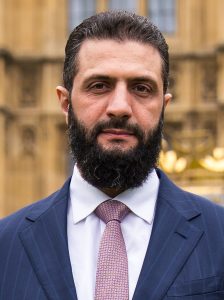
Ahmed al-Sharaa
Abu Mohammad al-Jolani
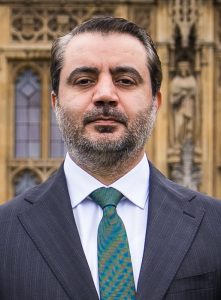
Asaad al-Shaibani
Zaid al-Attar · Hussam al-Shafi'i
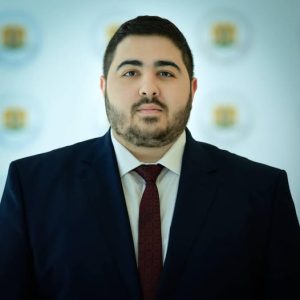
Mohammad Qanatari
Mohammad al-Sadiq
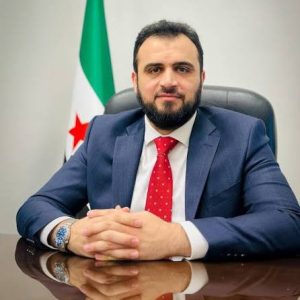
Qutaiba Qadish
Abu Ali al-Zubair · Abu Hamza Protocol
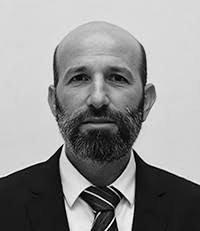
Abdulrahman Salama
Abu Ibrahim
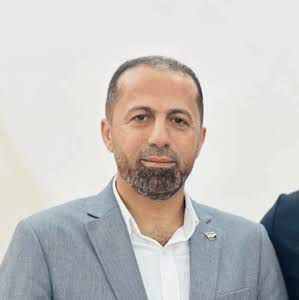
Faraj Rakan Aqdi
Faraj al-Uqda
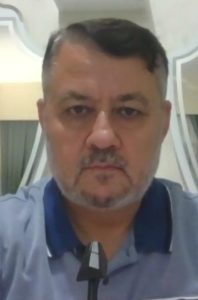
Ahmad Muwaffaq Zaidan
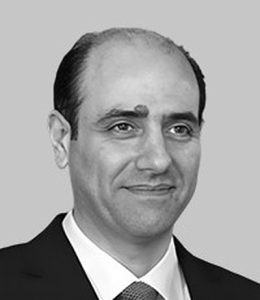
Hazem al-Sharaa
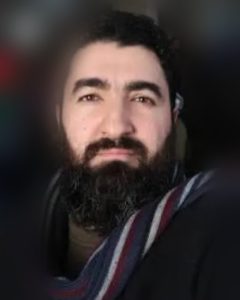
Abraham Succarieh
Abu Mariam al-Australi · Ibrahim bin Mas'ud
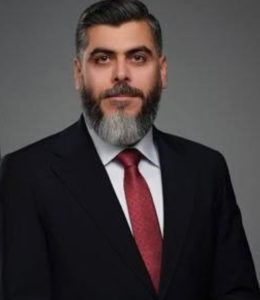
Mohammed Omar Qadid
Abu Abdulrahman al-Zarba (reported)
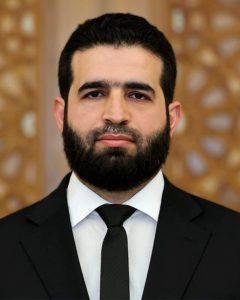
Anas Khattab
Abu Hamzah · Samir Ahmed al-Khayat
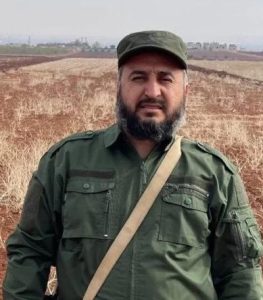
Murhaf Abu Qasra
Abu Hassan al-Hamawi (reported) · Abu Hassan 600 (reported)
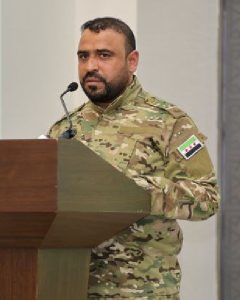
Mohammed al-Jassim
Abu Amsha · Muhammad Hussein al-Jasim
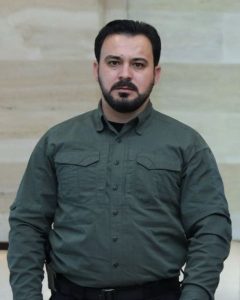
Sayf Boulad Abu Bakr
Abu Bakr · Sayf al-Din Boulad
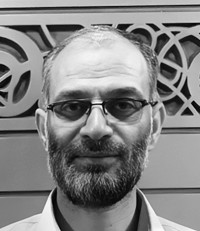
Abdul Rahim Atoun
Abu Abdullah al-Shami · Abu Mohammad Atoun
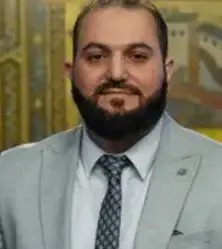
Maher Marwan
Abu Majid al-Shami (reported)
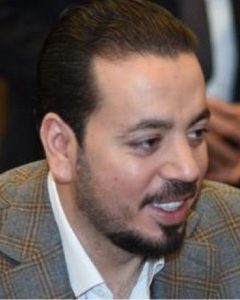
Muhannad Fayez al-Masri
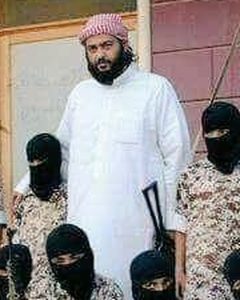
Abdullah al-Muhaysini
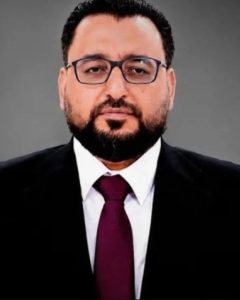
Basel Sweidan
Abu Hamza Qasioun
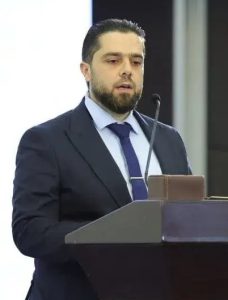
Mustafa Abdel Razzaq
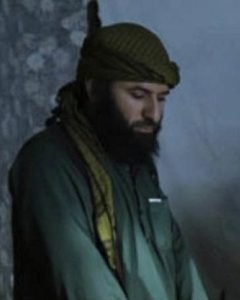
Omar Mohammed Jaftashi
Mukhtar al-Turki · Ömer Çiftçi
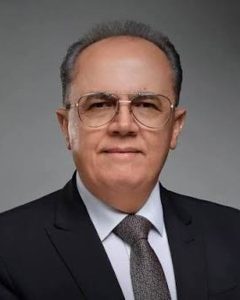
Marwan al-Halabi
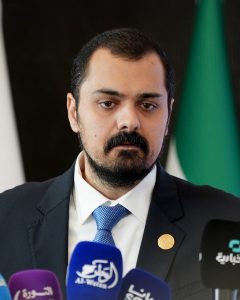
Mohamad al-Khayyat
محمد الخياط
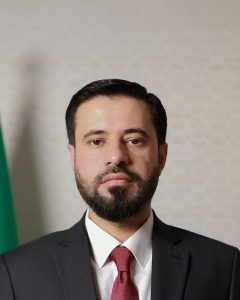
Nayef al-Ibrahim
Malik Zammar · Abu Ahmad al-Shami
How they are connected
The interactive network needs JavaScript. The connections are also listed on each profile.
- Supported by independent sources
- According to testimony
- Published allegation
- Person
- Organisation
How to read this site
Supported by independent sources
Information that could be traced to an official source or to an independent journalistic or research source.
According to testimony
Information, a description or an accusation from a named witness, such as Mohammad al-Dabbash. It is not presented as established fact.
Published allegation
A claim attributed to a journalist, witness or organisation. We name the source and state what the available evidence does and does not establish.